Discovery, seats, pricing, checkout and post-purchase management created avoidable friction.
Case study · Conversion & service orchestration
Revamping the event booking experience.
A mobile-first redesign of the journey from discovery to event entry—connecting clearer choices, secure digital tickets, self-service and frontline operations across the UAE.
Executive summary
One journey, treated as a service—not a checkout screen.
I evaluated leading event and concert platforms, mapped the full ticket lifecycle and translated research into an end-to-end booking direction. The work connected customer experience, ticket security, user education, commercial opportunities and operational delivery.
Scope: research, journey definition, ideation, prototyping, testing and design delivery across web, mobile app, email, call centre, walk-in counters and turnstiles.
60-second gist
Problem → decision → solution → impact
I connected digital UX, ticket security, education, commercial needs and venue operations.
Discover, compare, select, pay, manage and enter—with self-service, queues, protection and guidance.
Pilot figures are shown separately from targets and remain pending analytics validation.
The problem
Fragmentation was costing confidence—and likely conversion.
Outdated navigation, opaque pricing and complex workflows created friction. Security concerns weakened trust, while limited cross-sell and post-purchase tools reduced engagement.
User needs and pain points
Complex seat selection
Poor maps and limited filtering made seating options hard to compare.
Confusing pricing
Fees, discounts and final prices were not clear enough early in the journey.
Long checkout
Too many steps increased frustration and purchase abandonment.
Weak mobile experience
Navigation and load performance did not match the reported dominance of mobile booking.
Limited ticket management
Transfer, resale, cancellation and support were difficult after purchase.
Business goals
- 01Streamline booking to improve conversion.
- 02Increase user confidence and trust.
- 03Reduce drop-off at seat selection and payment.
- 04Create relevant cross-sell paths for parking, meals and related services.
Three connected challenges
Usability: complex workflows and unclear choices.
Security: rising fraud concern and low digital trust.
Engagement: weak cross-sell and upsell opportunities.
Before → system → result
The redesign linked customer intent to secure fulfilment.
Disconnected booking
Unclear discovery, seats and pricing
Long checkout and weak mobile use
Static tickets and limited self-service
→
Connected ticket lifecycle
DiscoverCompareSelectPayManageEnter
Supported by education, app identity, queues, bot protection, partner channels and venue operations.
→
More confident completion
Reported pilot movement in completion, seat drop-off and cross-sell
Reported zero fraud incidents during pilot
Validation still required
Research & discovery
Evidence came from the interface, the market and the venue.
The research moved from screen-level usability to the real-world service surrounding ticket redemption.
01
Heuristic evaluation
Reviewed the existing experience against Nielsen’s heuristics. Poor navigation, unclear calls to action and inconsistent feedback emerged as priority issues.
02
Ticket lifecycle mapping
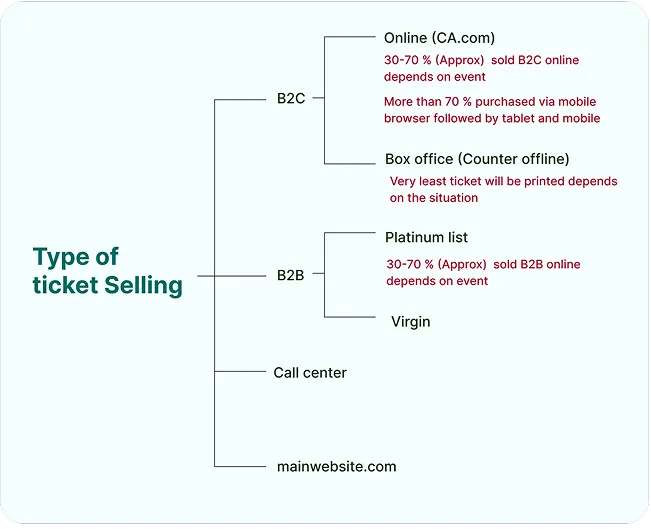
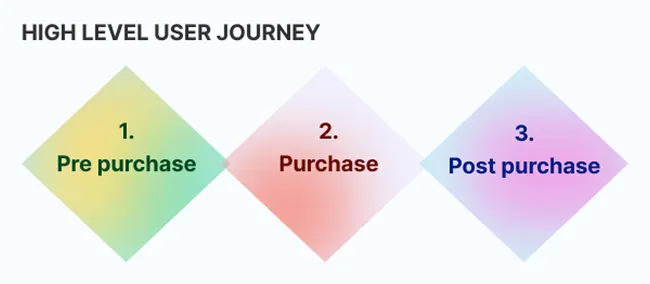
Mapped discovery through post-purchase, then split the service into pre-purchase (search, comparison, seats), purchase (checkout and payment), and post-purchase (transfer, cancellation and support).
03
Competitor analysis
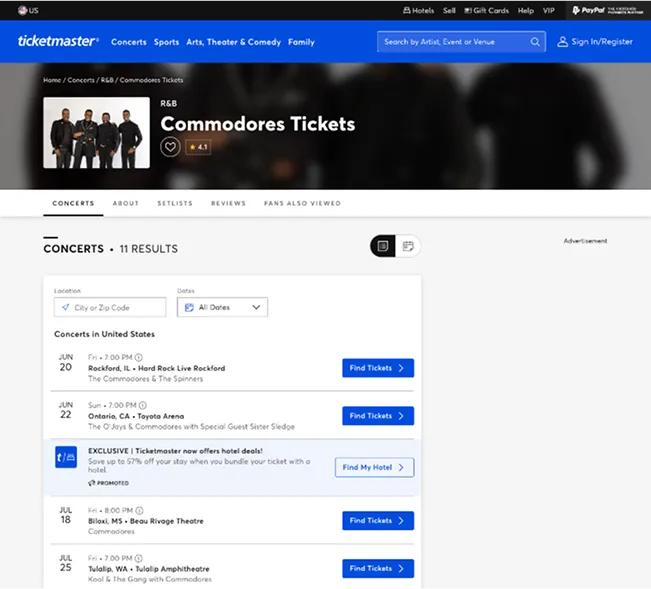
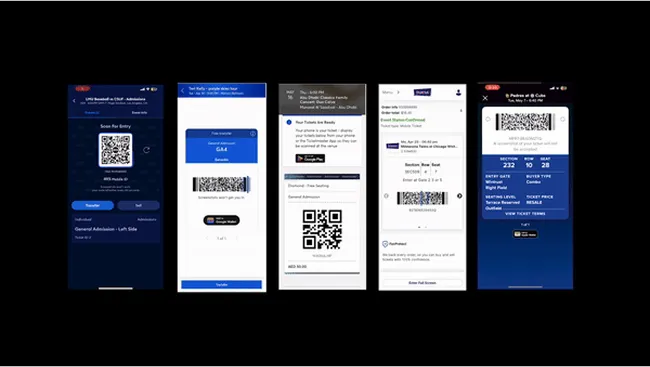
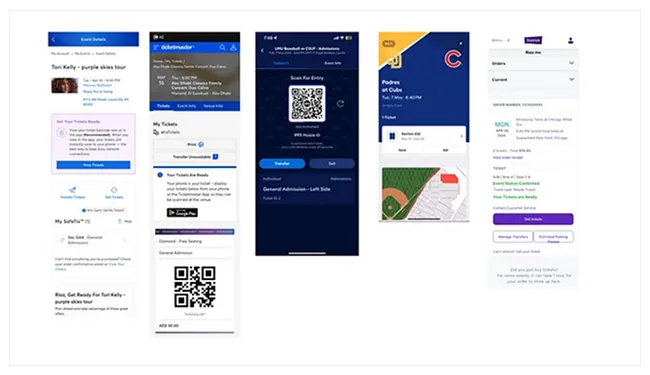
Studied Ticketmaster, AXS, SeatGeek and StubHub across seat selection, mobile ticketing, security and cross-selling to identify established patterns and gaps.
04
Venue ethnography
Observed redemption at venues and recorded long queues, unclear instructions, signage gaps and friction between guests and frontline agents.
05
Mobile priority
A source-stated figure that 90% of bookings happened on mobile shaped a responsive, fast and navigation-first direction.
Source-stated input90% mobile bookingsRequires analytics validation
Define & ideate
A feasible service across every booking route.
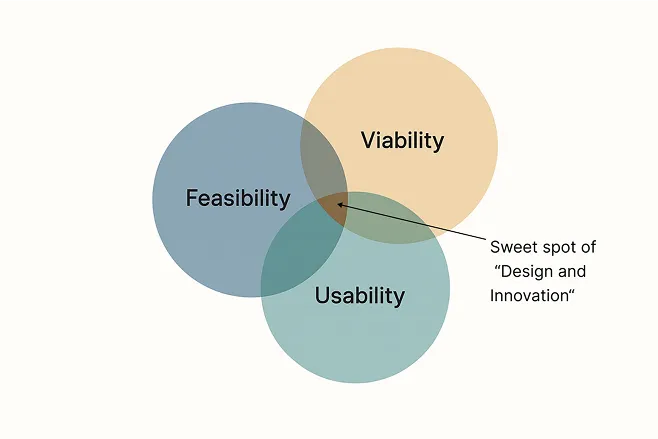
Ideas were assessed through technical feasibility, sustainable business viability, usability and legal compliance.
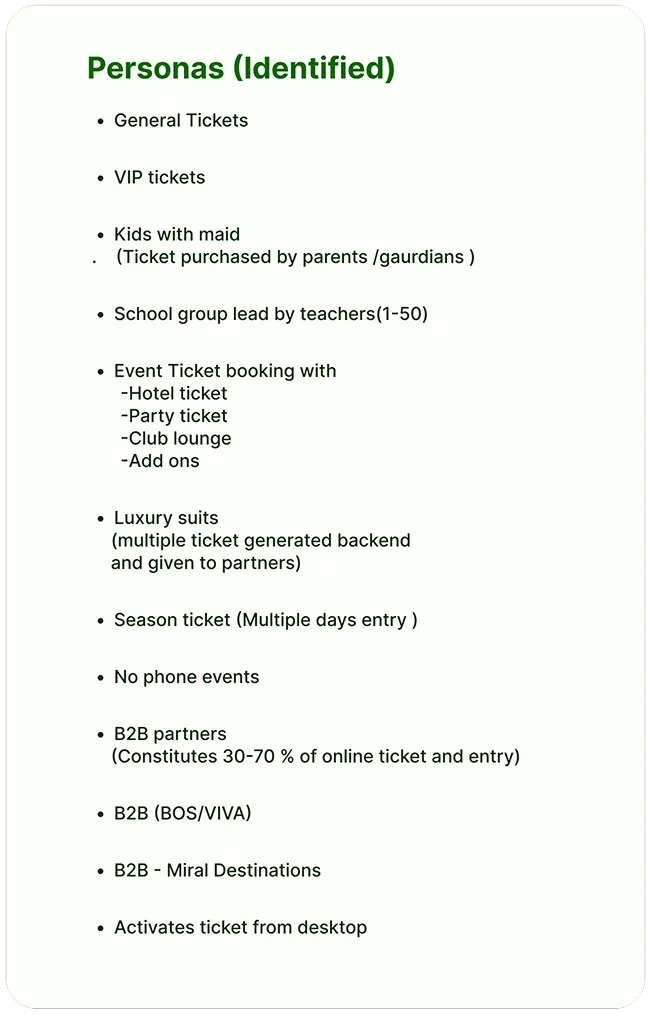
Scenarios designed
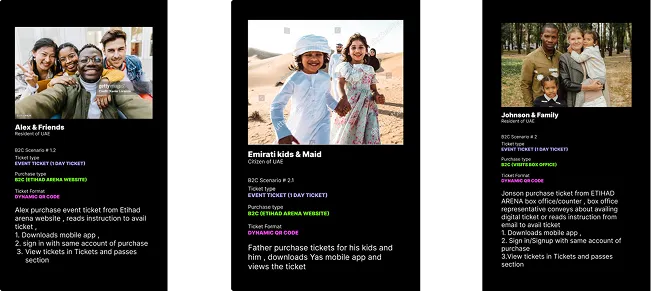
- Online purchases
- Call-centre bookings
- Walk-in counter transactions
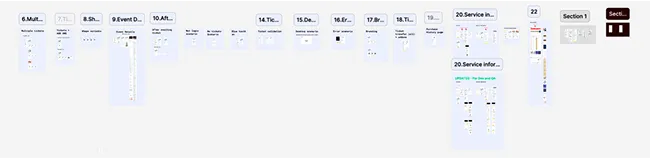
Channels connected
Website → mobile app → email → turnstiles, with flexibility for different user preferences and assisted routes.
Prototype, test & deliver
From broad hypotheses to an end-to-end, testable journey.
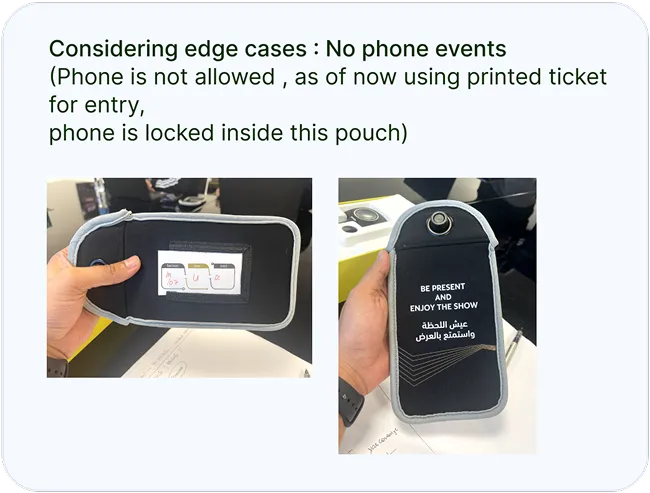
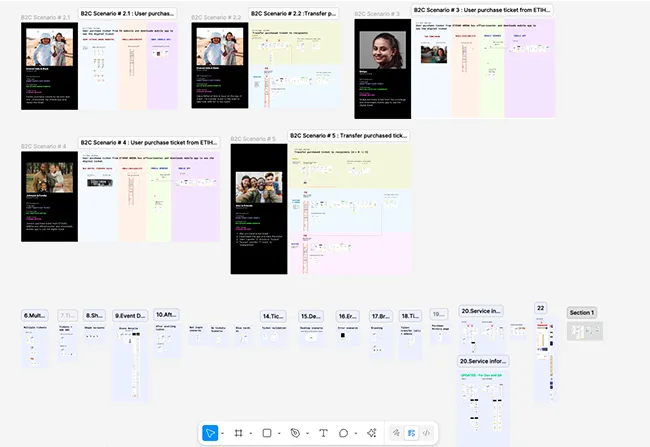
Competitor patterns informed low- and high-fidelity wireframes. The work then expanded beyond purchase to successful event entry, including edge cases.

Pragmatic testing
Budget constraints limited formal research, so campus testing involved colleagues with both high and low technical confidence. This gave early feedback while making the limitation explicit.
Delivery format
Figma supported wireframes, high-fidelity designs and prototypes; Adobe tools supported production. Assets were shared in flexible formats for cross-team collaboration.
Solution & delivery
Security, service management and revenue designed as one system.
Secure digital tickets
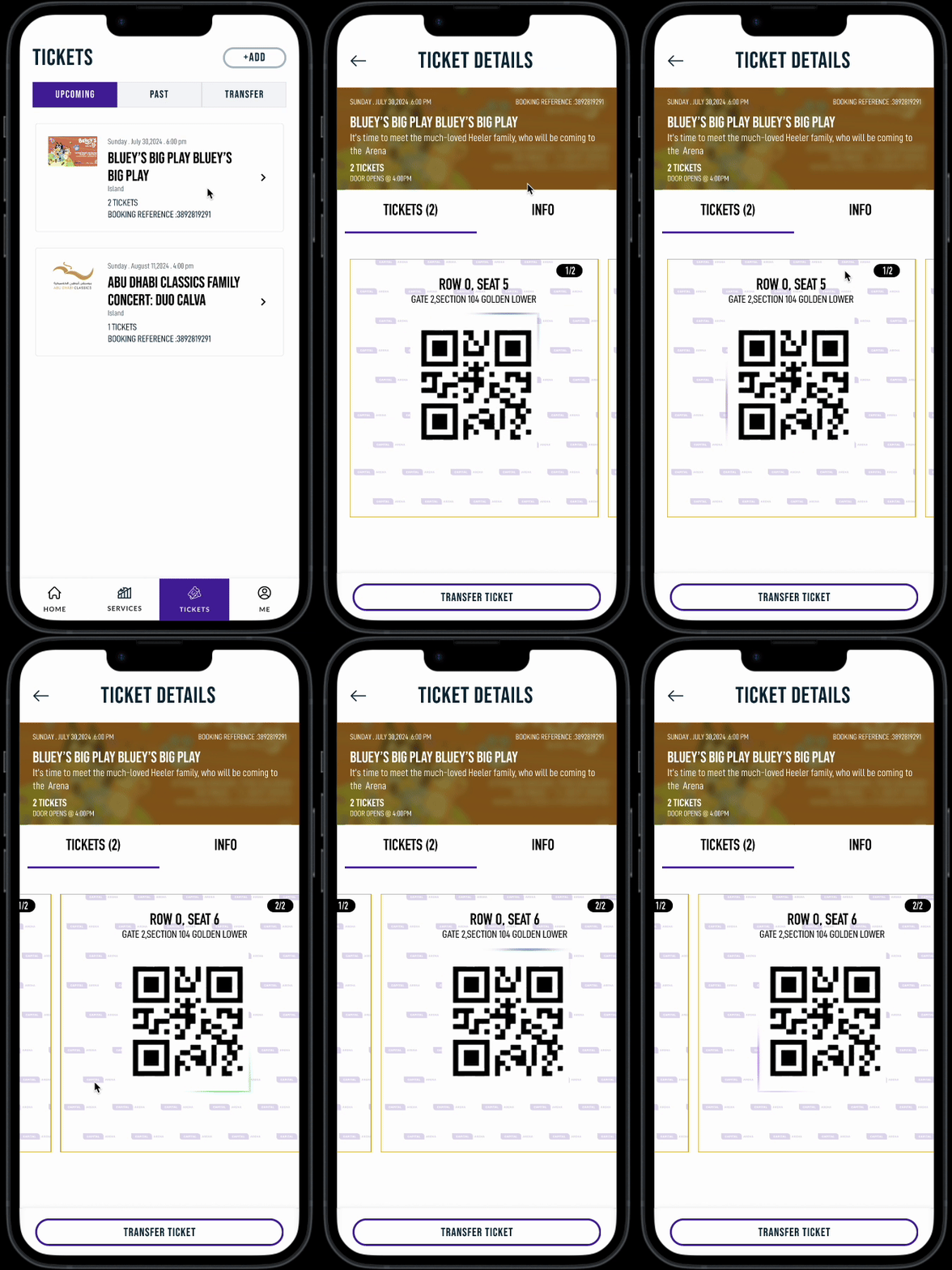
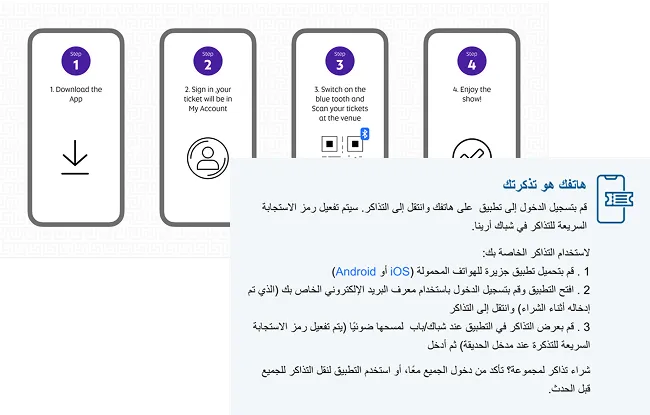
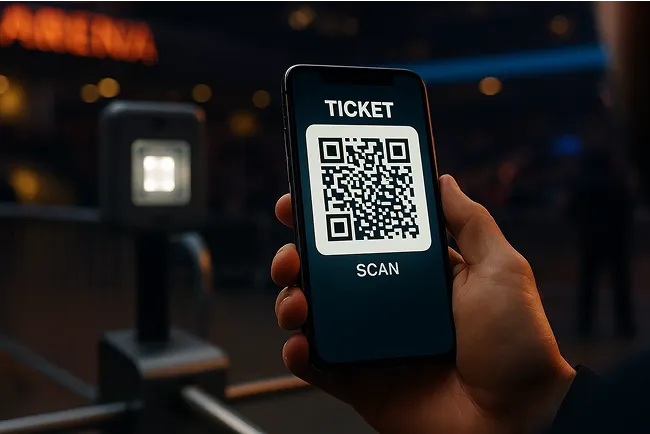
Replaced static tickets with app-authenticated digital tickets during the pilot.
Connected booking journey
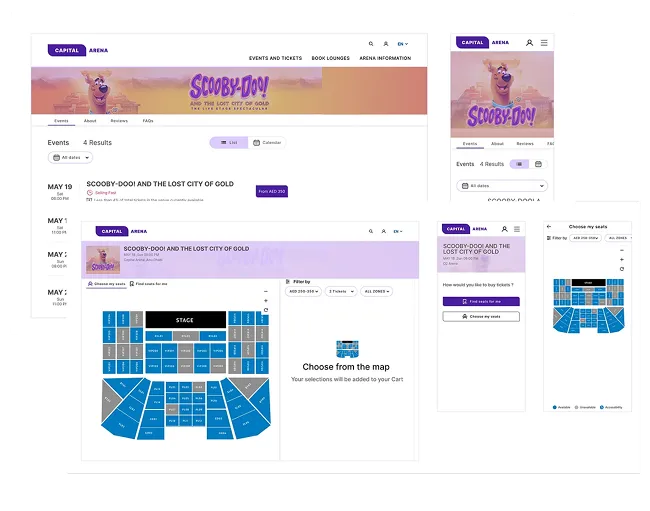
Redesigned web and mobile flows from discovery and seats through payment and event entry.
Ticket self-service
Added in-app transfer and cancellation capabilities.
Demand protection
Introduced queuing during spikes and bot-detection considerations.
Education across channels
Created guidance for the website, email, PDFs, banners and mobile app.
Revenue paths
Designed contextual cross-sell and upsell for meals, parking and other services.
Partner adoption
Enabled major B2B partners to move toward digital tickets.
User impact represented by the solution
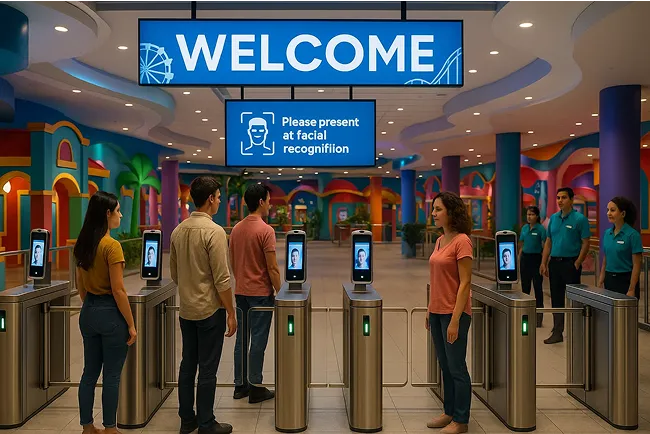
Security with convenience: app-based redemption introduced protection without treating smooth entry as secondary.
Frictionless adoption: proactive education supported the shift to a new flow.
Trust and control: secure tickets and post-purchase tools gave users clearer ownership of their journey.
Smarter purchasing: improved choices and relevant add-ons aimed to raise engagement and satisfaction.
Evidence status
Targets and pilot indicators are not the same thing.
The original case provides directionally useful figures, but no analytics export, sample size, period or methodology is attached. They are therefore labelled for validation.
KPI targets · planned
Booking completion
Increase targetSeat-selection drop-off
Reduction targetCross-sell conversion
Increase targetPilot indicators · reported, validation pending
Booking completion
Source-reported pilot signalSeat-selection drop-off
Source-reported pilot signalCross-sell conversion
Source-reported pilot signalFraud incidents reported during pilot
Source-reported pilot signalWhat would validate the claim
Baseline and pilot date range · sample size and audience · analytics definitions · fraud incident records · attribution controls · UAE market and channel breakdown.
Reflection & learning
The strongest outcome was a more complete way of seeing the service.
Security and usability move together
App sign-in strengthened protection, but adoption depended on careful interaction design.
Education is part of the product
In-app guidance, marketing assets and on-site banners helped people understand the new redemption model.
Inclusion needs multiple routes
Tech-confident and less-digital users required adaptable journeys, assisted channels and clear recovery.
Iteration reduces delivery risk
Fast prototypes and cross-functional feedback exposed issues before final delivery.
Research creates alignment
Competitive evidence and venue observation gave stakeholders a shared basis for decisions.
Sign-offs need active management
Multiple client approvals reinforced the importance of clear communication and decision ownership.
What went wellFast iterative designSecure digital ticketingCross-channel user educationDesign for diverse usersStrong cross-functional collaboration
Continue exploring